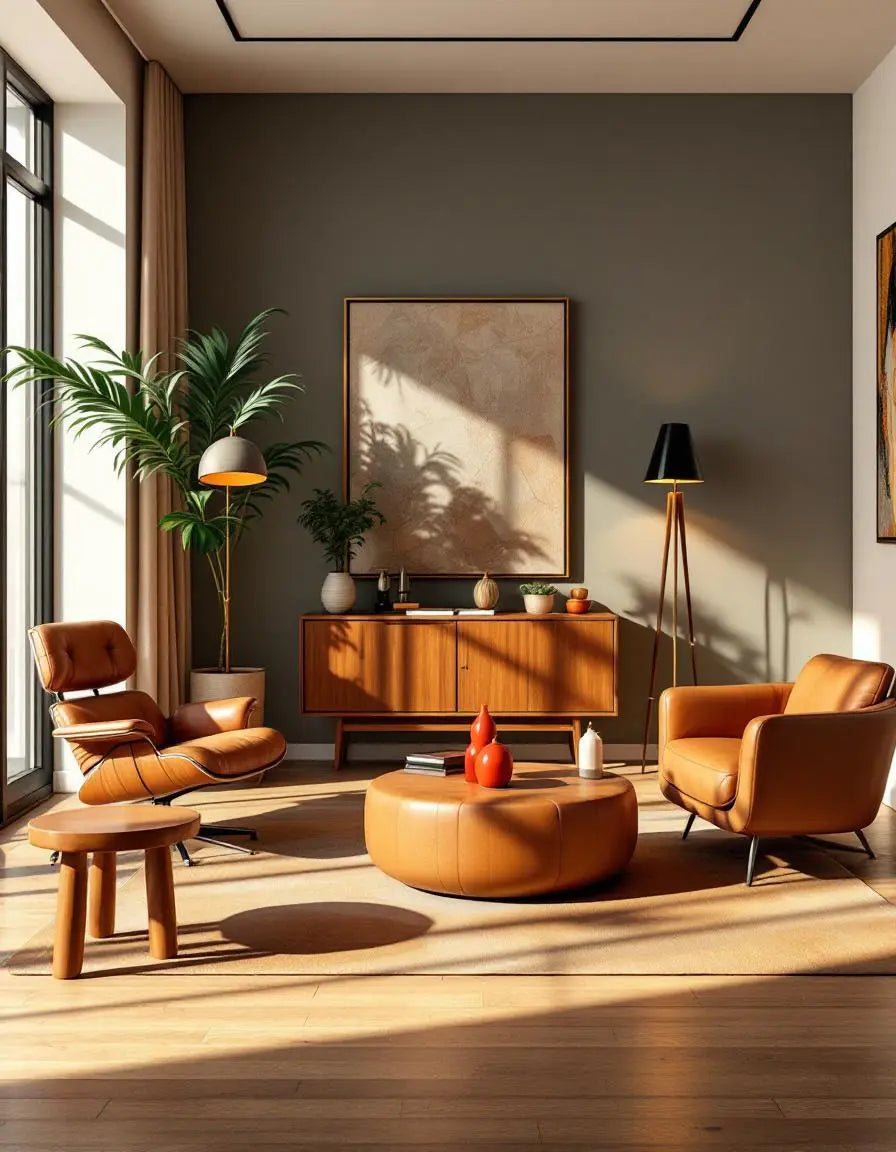










Italian Leather vs Standard Leather: What Really Matters in a Premium Lounge Chair
When investing in a premium lounge chair, materials matter just as much as design. Few elements influence comfort, longevity, and perceived quality more than leather. Yet many buyers—especially those considering mid-century–inspired lounge chairs or Barcelona-style seating—are left wondering: Is Italian leather really worth it, or is standard leather just as good?
Drawing on years of experience in premium furniture sourcing and manufacturing, this guide breaks down the real differences between Italian leather and standard leather, helping you make an informed, value-driven decision.
Why Leather Quality Defines a Premium Lounge Chair
A lounge chair isn’t just furniture—it’s a long-term companion. Whether placed in a living room, executive office, or design-led hospitality space, a high-end chair should age gracefully, feel luxurious every day, and hold its structure for years.
Leather directly affects:
- Comfort and breathability
- Visual richness and texture
- Durability and resistance to cracking
- How the chair develops patina over time
This is why leather choice is one of the most important commercial decision points when buying a premium lounge chair.
What Is Italian Leather?
Italian leather refers not only to its country of origin, but to a centuries-old tanning tradition rooted in craftsmanship, regulation, and material excellence. Leather production in regions such as Tuscany and Veneto is globally respected for combining heritage techniques with modern EU-controlled processes.
In premium furniture, especially an Italian leather lounge chair, the quality of the hide and the tanning method play a decisive role in comfort, durability, and long-term appearance.
Key Characteristics of Italian Leather
- Full-grain Italian leather or top-grain hides, never bonded or reconstructed
- Vegetable tanning or advanced chrome tanning carried out under strict EU standards
- A natural surface with visible grain patterns and subtle, authentic imperfections
- Exceptional softness without compromising structural strength
- The ability to develop a rich, natural patina over time, rather than surface wear
Italian tanneries operate under some of the world’s most demanding environmental, quality, and traceability regulations, which is why full-grain Italian leather is widely considered the benchmark material for high-end lounge chairs and luxury seating.
What Is Standard Leather?
Standard leather is a general term used to describe leather produced in a range of grades, processes, and regions. It can include:
- Corrected-grain leather, where the surface is sanded and embossed for uniformity
- Split leather treated with protective surface coatings or pigments
- Leather manufactured outside the EU, often under less stringent regulatory standards
This does not mean standard leather furniture is poor quality by default. However, consistency, durability, and tactile performance can vary significantly depending on sourcing and finishing methods.
Typical Characteristics of Standard Leather
- A more uniform appearance, commonly achieved through sanding and embossing
- Heavier surface coatings or pigmentation to protect and standardise the finish
- Reduced natural grain variation compared to full-grain options
- Slower or uneven ageing, with limited patina development over time
- A lower upfront cost, making it accessible for budget-conscious buyers
Because of these qualities, standard leather is widely used in commercial-grade seating and mid-range furniture, including many everyday leather lounge chair materials where durability and cost control take priority over long-term patina.
Italian Leather vs Standard Leather: Side-by-Side Comparison
| Feature | Italian Leather | Standard Leather |
|---|---|---|
| Grain | Natural, visible | Often corrected |
| Feel | Soft, supple, breathable | Firmer, coated |
| Durability | Extremely high | Moderate to high |
| Ageing | Develops patina | May dry or crack |
| Sustainability | EU-regulated | Varies by source |
| Cost | Higher upfront | Lower upfront |
What Actually Matters for Buyers
From a real-world perspective, buyers often regret saving money on leather, not spending more.
Comfort Over Time
Italian leather adapts to body temperature, making it ideal for long sitting sessions—a key reason it’s preferred in executive lounge chairs and Eames-inspired seating.
Long-Term Value
While Italian leather chairs cost more initially, they often outlast standard leather chairs by 10–15 years, making them better value over time.
Visual Ageing
Standard leather tends to look “older.” Italian leather tends to look “better.” That distinction matters in premium interiors.
Italian Leather and Iconic Lounge Chair Designs
Many of the world’s most recognisable mid-century modern and modern-classic lounge chairs were originally conceived with high-quality leather upholstery as a core part of their design language. Pieces such as Barcelona-style chairs, Eames-inspired lounge chairs, and soft pad executive seating rely on premium leather not only for comfort, but to preserve their intended proportions and visual balance.
When lower-grade leather is used on these designs, it can subtly—but noticeably—undermine performance and aesthetics. Common compromises include:
- Reduced seat tension, affecting long-term comfort and support
- Weakened stitch longevity, leading to premature wear at stress points
- A loss of the chair’s original silhouette, as inferior leather fails to hold its shape over time
For design professionals, collectors, and discerning homeowners, this is why material authenticity is considered just as important as form. Choosing full-grain Italian leather ensures the chair performs as intended while ageing gracefully.
From a practical standpoint, Italian leather is widely regarded as the best leather for lounge chairs intended for daily use, statement interiors, and high-traffic spaces. Its durability, natural patina, and tactile quality also make it a preferred choice for premium leather seating for living rooms, where comfort and visual impact must coexist.

Faux Leather vs Real Leather (A Quick Clarification)
Faux leather has improved significantly and can be suitable for:
- Short-term use
- Budget projects
- Low-traffic environments
However, it cannot replicate the breathability, ageing, or repairability of real leather—especially Italian full-grain leather.
For a chair meant to last decades, real leather remains unmatched.
Sustainability & Ethical Considerations
Italian leather production operates under strict EU environmental laws, including:
- Wastewater treatment
- Reduced chemical use
- Traceable supply chains
This makes Italian leather a more responsible choice for UK and European buyers, while still meeting the expectations of US consumers seeking premium craftsmanship.
How to Choose the Right Leather for Your Lounge Chair
Ask these questions before buying:
- Is the leather full-grain or corrected-grain?
- Where is it tanned—not just sourced?
- Will this chair be used daily or occasionally?
- Do I want patina or uniformity over time?
If the chair is a statement piece or daily-use lounge chair, Italian leather is almost always the better choice.
Final Verdict: What Really Matters
The difference between Italian leather and standard leather isn’t marketing—it’s experience, longevity, and integrity of design.
If you’re investing in a premium lounge chair, Italian leather delivers:
- Superior comfort
- Timeless aesthetics
- Long-term value
- Authentic luxury
Standard leather has its place—but in the premium segment, materials should never be the compromise.