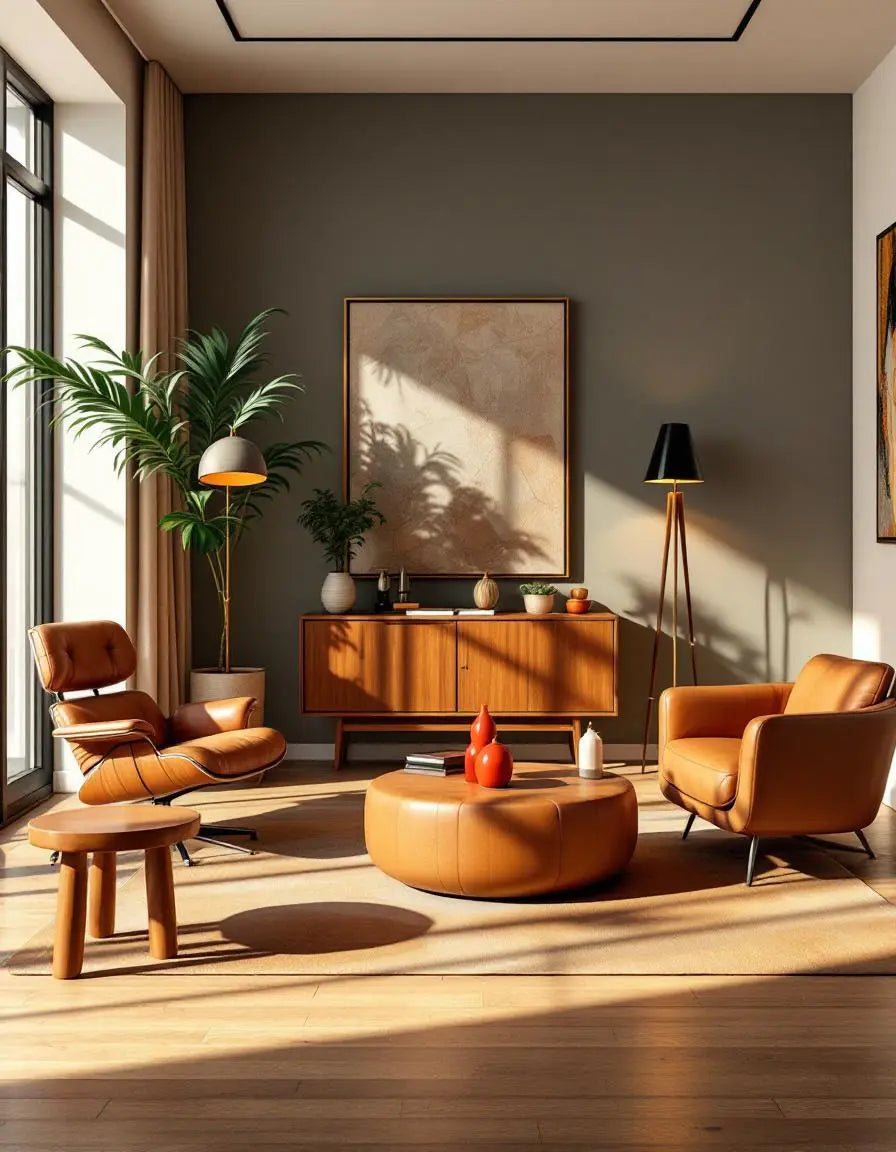










Replica Designer Furniture UK (2026): The Complete Guide to Choosing Premium Lounge, Office & Living Room Furniture
Understanding Replica Designer Furniture, Materials & Choosing Quality That Lasts
Creating a beautiful home or workspace begins with choosing furniture that combines comfort, functionality, and timeless style. While décor trends change every year, well-crafted furniture remains relevant for decades. Whether you're furnishing a contemporary apartment, a traditional family home, a boutique hotel, or a professional office, investing in quality pieces can transform how a space looks and feels.
Across the UK, more homeowners, interior designers, architects, and business owners are choosing replica designer furniture because it delivers premium aesthetics without compromising on practicality. Rather than replacing low-quality furniture every few years, many buyers now prefer carefully crafted pieces that offer lasting durability, everyday comfort, and exceptional value.
This comprehensive guide explains everything you should know before investing in premium furniture, from understanding materials and construction to selecting the right seating for different rooms. Whether you're designing a cosy reading corner or upgrading an executive office, making informed decisions today will help you enjoy your furniture for many years.
Why Quality Furniture Matters More Than Ever
Furniture is more than something you place inside a room, it influences how you live, work, relax, and entertain. A thoughtfully chosen chair can improve posture during long working hours, while a comfortable seating area encourages family gatherings and meaningful conversations.
Instead of purchasing furniture based solely on appearance, experienced buyers focus on long-term performance. High-quality construction, durable materials, and ergonomic design all contribute to furniture that continues to look and perform beautifully long after seasonal trends have disappeared.
Today's buyers are increasingly interested in products that combine elegant styling with everyday functionality. This shift has encouraged manufacturers to focus on craftsmanship, sustainability, and durable materials that provide better long-term value.
Popular Types of Designer-Inspired Furniture
Designer-inspired furniture is available in a wide range of styles, allowing homeowners and businesses to create interiors that combine comfort with timeless design. Among the most recognised options is the Eames Lounge Chair, valued for its luxurious seating, elegant wood shell, and premium craftsmanship that make it a favourite for living rooms, reading corners, and executive spaces.
Another iconic choice is the Barcelona Chair, admired for its clean architectural lines and sophisticated appearance. It is commonly used in reception areas, luxury apartments, hotel lounges, and contemporary living rooms where statement seating is required.
For professional workspaces, the Eames Office Chair remains a popular solution thanks to its combination of ergonomic support, executive styling, and everyday comfort. It is well suited to home offices, boardrooms, creative studios, and corporate environments where long hours of sitting demand both comfort and durability.
Dining areas can also benefit from timeless modern design with the Eames Dining Chair. Known for its versatile silhouette and practical construction, it complements kitchens, dining rooms, cafés, restaurants, and collaborative workspaces while blending effortlessly with a variety of interior styles.
Throughout this guide, we'll explore the key features, materials, buying considerations, and styling ideas for these designer-inspired furniture collections, helping you choose the right seating for your home or workplace with confidence.
What Is Replica Designer Furniture?
Replica designer furniture refers to high-quality furniture inspired by iconic mid-century and modern designs. These products are created to capture the proportions, functionality, and visual appeal of classic furniture while remaining accessible to a wider audience.
Many people choose designer-inspired furniture because it allows them to enjoy timeless aesthetics in homes, offices, reception areas, hotels, and commercial spaces without sacrificing comfort or practicality.
Premium replicas focus on quality materials, precise craftsmanship, and reliable construction rather than simply copying appearances. The best manufacturers pay close attention to every detail, including upholstery, wood finishes, frame construction, and overall comfort.
Benefits of Investing in Designer-Inspired Furniture
Choosing premium furniture is about much more than appearance. A carefully selected piece can improve daily comfort while enhancing the overall atmosphere of a room.
Some of the biggest advantages include:
- Timeless styling that remains fashionable for years.
- Comfortable seating suitable for everyday use.
- Durable construction designed for long-term reliability.
- Premium materials that age beautifully with proper care.
- Versatile designs suitable for residential and commercial interiors.
- Better value compared with frequently replacing inexpensive furniture.
Instead of following short-lived interior trends, many homeowners now build spaces around furniture that adapts effortlessly to changing décor styles.
Choosing Furniture That Matches Your Lifestyle
Every household has different priorities, so selecting furniture should begin with understanding how the space will be used.
A growing family may prioritise durable upholstery that is easy to maintain.
A remote professional may require an ergonomic office chair that supports long working hours.
A hotel or reception area may focus on creating an elegant first impression while providing comfortable guest seating.
Before purchasing any furniture, consider the following questions:
- Who will use the furniture every day?
- How many hours will it be used?
- Does it suit the available floor space?
- Will it complement existing décor?
- Can it continue meeting your needs in the future?
Choosing furniture that reflects your lifestyle usually results in greater long-term satisfaction than buying purely for visual appeal.
Premium Materials Make the Difference
One of the biggest differences between ordinary furniture and premium collections lies in the quality of materials.
Although two chairs may appear similar in photographs, the materials used during manufacturing have a significant impact on comfort, durability, maintenance, and overall lifespan.
Well-made furniture typically includes carefully selected upholstery, quality timber veneers, strong internal frames, and precision-engineered metal components that work together to deliver reliable performance.
Understanding these materials helps buyers compare products more confidently before making an investment.
Leather Upholstery for Everyday Luxury
Leather remains one of the most popular upholstery materials because it combines sophistication with practical durability.
A well-finished leather surface develops character over time while remaining comfortable for everyday use. Unlike many synthetic materials, quality leather often becomes softer with age when properly maintained.
Some advantages include:
- Comfortable seating throughout the year.
- Easy cleaning with regular maintenance.
- Excellent resistance to everyday wear.
- Suitable for both residential and commercial interiors.
- Timeless appearance that complements many décor styles.
When comparing products, always pay attention to stitching quality, panel alignment, and upholstery consistency, as these details often reflect the overall manufacturing standard.
Walnut Veneer and Other Popular Wood Finishes
Wood finishes play an important role in defining the personality of modern furniture.
Among the most popular options is walnut veneer and Rosewood Veneer, admired for its warm colour, natural grain patterns, and ability to complement a wide variety of interiors. It pairs beautifully with neutral colour palettes and contemporary architecture.
Other finishes create different visual effects depending on the desired atmosphere. Dark finishes suit minimalist interiors, while lighter woods often work well in Scandinavian-inspired spaces.
When assessing timber finishes, look for:
- Consistent grain matching.
- Smooth protective coating.
- Clean edge finishing.
- Even colouring throughout the surface.
Attention to these details contributes to a more refined appearance and improved durability.
Strong Aluminium Frames Improve Durability
The internal structure of furniture is just as important as its external appearance.
Many premium collections use a lightweight yet durable aluminium Lounge chair base because it provides excellent stability while resisting corrosion. High-quality metal components help maintain structural integrity through years of regular use.
Reliable frame construction also improves safety, reduces unwanted movement, and contributes to a more confident seating experience.
Rather than focusing only on upholstery, always review the materials used beneath the surface.
Comfortable Seating Starts with Ergonomic Support
Visual appeal alone should never determine your purchase.
Furniture that looks impressive but fails to support the body comfortably often leads to disappointment after prolonged use.
Good seating combines several important factors:
- Balanced seat depth.
- Proper lumbar support.
- Comfortable cushion density.
- Stable sitting position.
- Thoughtfully designed proportions.
These features work together to reduce fatigue and encourage better posture during everyday use.
Whether you're furnishing a home office or creating a relaxing lounge area, comfort should always remain a top priority.
Matching Furniture to Different Spaces
Every room serves a unique purpose, so furniture should reflect how the space is used.
Living rooms often benefit from comfortable statement seating that encourages relaxation and conversation.
Reading corners usually require supportive chairs positioned near natural light.
Professional workspaces need furniture that improves productivity without sacrificing appearance.
Reception areas should balance comfort with a welcoming first impression.
Choosing the right furniture for each environment helps create interiors that feel organised, practical, and visually balanced.
Interior Design Trends for Modern Homes
Modern interiors continue moving towards simplicity, functionality, and natural materials.
Instead of filling rooms with unnecessary decorative accessories, designers increasingly recommend investing in fewer, higher-quality furniture pieces that naturally become the focal points of each space.
Current design trends include:
- Neutral colour palettes.
- Natural wood finishes.
- Soft leather upholstery.
- Clean architectural lines.
- Minimal clutter.
- Functional layouts.
- Long-lasting materials.
These principles create interiors that remain attractive even as decorating trends evolve.
Common Mistakes Buyers Should Avoid
Purchasing furniture is an investment, so avoiding common mistakes can save both money and frustration.
Many buyers focus only on price while overlooking important differences in craftsmanship and materials.
Other frequent mistakes include:
- Ordering without measuring the room.
- Ignoring product specifications.
- Choosing style over comfort.
- Overcrowding smaller spaces.
- Forgetting future lifestyle needs.
Taking time to compare construction quality and dimensions before purchasing usually results in a more satisfying investment.
How to Choose the Right Furniture for Every Room
Buying premium furniture is only the first step. The real challenge is selecting pieces that complement your space, improve everyday comfort, and create a balanced interior. Every room has a different purpose, and furniture should reflect how that space is actually used.
A comfortable home isn't created by filling every corner with furniture. Instead, successful interiors focus on selecting a few well-made pieces that provide functionality while allowing the room to feel open and welcoming.
In this section, you'll learn how to choose the right furniture for different rooms, understand space planning, and discover practical styling ideas that work in both residential and commercial interiors.
Creating a Comfortable Living Room
The living room is often the heart of the home. It's where families gather, guests are welcomed, and everyday relaxation takes place.
When choosing furniture for this space, comfort should always come before decoration. Large statement pieces work best when they are supported by practical accessories such as side tables, lighting, and soft furnishings.
Instead of overcrowding the room, leave enough open space for movement between seating areas. A balanced layout makes even smaller rooms feel larger and more inviting.
Simple additions such as textured rugs, indoor plants, and neutral cushions can enhance the overall appearance without overwhelming the furniture.
Choosing a Luxury Lounge Chair for Relaxation
A luxury lounge chair is often the focal point of a living room, reading area, or private study. Unlike standard seating, it is designed to encourage long periods of relaxation while adding architectural character to the room.
The ideal position is beside a window, bookshelf, or fireplace where natural light enhances both comfort and atmosphere.
Pair it with:
- A wooden side table
- Adjustable floor lamp
- Soft throw blanket
- Decorative plant
- Neutral area rug
Creating a dedicated relaxation corner encourages daily use while giving the room greater visual balance.
Home Office Furniture That Supports Productivity
As remote working continues to grow, a well-designed workspace has become an essential part of many homes.
Good home office furniture should help improve focus without making the room feel cluttered. A supportive chair, practical desk, and organised storage system contribute to a more productive working environment.
Position your desk where natural daylight is available but avoid direct glare on computer screens.
Adding floating shelves, cable management, and task lighting keeps the workspace clean while improving efficiency throughout the day.
Selecting an Executive Office Chair
Professionals who spend several hours working each day benefit from investing in a quality executive office chair.
Look for features such as:
- Adjustable height
- Comfortable armrests
- Stable swivel base
- Supportive backrest
- Smooth mobility
- Durable frame
The right seating position helps reduce fatigue while encouraging healthier posture during long periods at a desk.
Rather than choosing the most heavily padded model, focus on balanced ergonomic support and overall build quality.
Modern Reception Furniture for First Impressions
Reception areas create lasting impressions for visitors, clients, and business partners.
Well-planned modern reception furniture should balance comfort with professional presentation.
Choose seating that allows guests to wait comfortably without making the space feel crowded.
Combine seating with:
- Coffee tables
- Indoor greenery
- Contemporary artwork
- Soft lighting
- Neutral flooring
These elements help create a welcoming environment while maintaining a professional appearance.
Stylish Furniture for Small Apartments
Limited floor space doesn't mean sacrificing comfort or style.
When furnishing compact homes, choose pieces that offer visual openness without dominating the room.
Furniture with slim profiles, raised legs, and clean lines often works better than oversized alternatives.
Light colours and reflective surfaces can also make smaller rooms appear brighter and more spacious.
Avoid purchasing furniture that exceeds the scale of the room, even if individual pieces appear attractive in a showroom.
Open-Plan Living Room Layout Ideas
Open-plan homes continue to grow in popularity throughout the UK.
Rather than dividing the space with walls, furniture itself helps define different activity zones.
For example:
- Seating area for relaxation
- Dining area for entertaining
- Workspace for remote working
- Reading corner near natural light
Using rugs, lighting, and furniture placement allows each area to feel separate while maintaining an open atmosphere.
Choosing Furniture for Reading Corners
A quiet reading space requires very little furniture, yet it often becomes one of the most enjoyable areas within the home.
Position comfortable seating where daylight is available and keep nearby storage for books within easy reach.
A small side table provides space for drinks, reading glasses, or decorative accessories.
Warm lighting creates an inviting atmosphere during evening hours.
The goal is simplicity rather than excessive decoration.
Commercial Furniture for Business Interiors
Businesses require furniture that combines durability with professional appearance.
Whether furnishing a showroom, office, hotel, or shared workspace, commercial furniture should withstand frequent daily use while maintaining its appearance.
High-quality materials usually reduce long-term maintenance costs and improve customer satisfaction.
Many companies choose neutral finishes because they remain suitable as branding and décor evolve over time.
Hospitality Furniture That Welcomes Guests
Hotels, serviced apartments, cafés, and lounges all depend on furniture that creates a positive customer experience.
Well-designed hospitality furniture should be:
-
Comfortable
-
Easy to maintain
-
Visually consistent
-
Built for regular use
-
Suitable for different age groups
Thoughtful furniture selection encourages guests to spend more time enjoying the environment while reinforcing the quality of the establishment.
Contemporary Furniture for Modern Interiors
Many homeowners now prefer contemporary furniture because it balances clean design with practical functionality.
Characteristics often include:
- Simple silhouettes
- Neutral colours
- Quality materials
- Functional layouts
- Minimal ornamentation
This approach creates interiors that remain attractive without relying on temporary design trends.
Scandinavian Interior Design Principles
One of the most influential decorating styles today is Scandinavian interior design.
Its popularity comes from combining practicality with natural beauty.
Key features include:
- Light wood finishes
- Soft neutral colours
- Functional furniture
- Natural fabrics
- Indoor plants
- Open layouts
Rather than filling rooms with decorative objects, Scandinavian interiors focus on comfort, light, and everyday usability.
Furniture Placement Tips for Better Room Flow
Even premium furniture can lose its impact if positioned incorrectly.
Before arranging any room, think about how people naturally move through the space.
Maintain clear walking paths between seating areas and avoid blocking windows or doorways.
Leave enough distance between furniture so conversations feel comfortable without making the room appear empty.
Small adjustments in positioning often improve both appearance and functionality.
Mixing Different Furniture Styles Successfully
A professionally designed home rarely contains furniture from only one collection.
Combining different styles creates personality while avoiding a showroom appearance.
For example:
Natural wood pairs beautifully with black metal.
Leather complements woven fabrics.
Stone accessories balance soft upholstery.
Glass surfaces reflect natural light.
The secret is maintaining a consistent colour palette rather than matching every individual piece.
Colour Coordination for Timeless Interiors
Choosing complementary colours allows furniture to become the centrepiece of the room.
Popular combinations include:
Warm Palette
- Walnut finish
- Cream walls
- Beige textiles
- Brass accessories
Modern Palette
- Black accents
- White walls
- Grey flooring
- Matte finishes
Natural Palette
- Oak furniture
- Earth tones
- Linen fabrics
- Indoor greenery
Keeping colours simple creates interiors that remain stylish for many years.
Common Interior Design Mistakes
Many decorating problems are caused by planning rather than furniture quality.
Avoid these common mistakes:
- Purchasing oversized furniture.
- Ignoring room proportions.
- Using too many statement pieces.
- Blocking natural light.
- Choosing appearance over comfort.
- Forgetting practical storage.
- Following short-term trends.
A balanced interior should always support daily living while remaining visually appealing.
Planning Furniture for Future Needs
Before making a purchase, think about how your lifestyle may change over the next several years.
Will you:
- Work from home more often?
- Move to a larger property?
- Expand your family?
- Redesign your interior?
- Entertain guests more frequently?
Choosing versatile furniture today reduces the need for costly replacements later.
Long-lasting designs continue to adapt as your home evolves.
Materials, Craftsmanship & How to Identify Premium Quality Furniture
Beautiful furniture starts with great design, but long-term satisfaction comes from the quality hidden beneath the surface. Two chairs may appear almost identical in photographs, yet their comfort, durability, and lifespan can be completely different.
Understanding how furniture is made allows you to buy with confidence instead of relying solely on appearance or price. In this part of the guide, we'll explore the materials, craftsmanship, and construction techniques that separate premium furniture from lower-quality alternatives.
Whether you're furnishing a modern apartment, a family home, or a commercial workspace, learning how to evaluate furniture quality can help you make a smarter long-term investment.
Why Build Quality Matters
Furniture is used every day, so it needs to withstand years of regular use without losing its appearance or structural integrity.
High-quality furniture offers benefits that go far beyond aesthetics. Better manufacturing standards often result in:
- Greater durability
- Improved comfort
- Enhanced stability
- Lower maintenance
- Better long-term value
- Consistent everyday performance
Instead of replacing inexpensive furniture every few years, investing in superior construction often proves more economical over time.
Understanding Premium Craftsmanship
Quality furniture reflects the attention given to every stage of manufacturing.
Experienced craftspeople focus on precision rather than speed, ensuring every component fits together accurately.
Signs of excellent craftsmanship include:
- Straight stitching
- Smooth upholstery
- Consistent panel alignment
- Clean edge finishing
- Secure joints
- Precision assembly
- Uniform surface texture
These details may seem small individually, but together they contribute to furniture that feels solid, comfortable, and reliable.
Choosing High-Quality Leather Upholstery
One of the most noticeable features of premium seating is its upholstery.
High-quality leather upholstery provides a luxurious feel while offering excellent durability for everyday use.
Good leather should feel soft yet supportive, with a natural texture that develops character as it ages.
When comparing products, examine:
- Surface consistency
- Stitching accuracy
- Cushion fit
- Natural grain appearance
- Edge finishing
Properly maintained leather continues to look attractive for many years while remaining comfortable throughout changing seasons.
Genuine Leather vs Synthetic Alternatives
Many buyers compare natural leather with synthetic materials before making a purchase.
Both options have advantages depending on personal preference, budget, and intended use.
Natural leather offers:
- Unique grain patterns
- Excellent durability
- Breathability
- Premium appearance
- Long lifespan
Synthetic materials may appeal to buyers looking for easier maintenance or alternative finishes.
Understanding these differences allows you to select upholstery that best suits your lifestyle.
The Beauty of Natural Wood Grain
Wood remains one of the defining features of premium furniture.
Every sheet of natural veneer has its own distinctive grain, making each finished piece slightly unique.
The warmth and character of timber help create interiors that feel welcoming without becoming overly decorative.
Natural wood also pairs beautifully with leather, glass, metal, and stone, making it one of the most versatile materials available.
Selecting the Right Wood Veneer Finish
A wood veneer finish enhances both appearance and durability while showcasing the natural beauty of timber.
Popular finishes vary from warm, rich tones to darker contemporary options.
When inspecting veneer quality, look for:
- Matching grain patterns
- Smooth protective coating
- Clean edges
- Even colour distribution
- Consistent surface finish
Quality veneer should appear seamless rather than artificially printed or repetitive.
Metal Frames and Structural Stability
The internal frame determines how furniture performs over years of regular use.
Premium manufacturers often use precision-engineered metal components because they combine strength with lightweight performance.
A well-designed frame provides:
- Improved balance
- Greater load capacity
- Reduced movement
- Better durability
- Long-term structural reliability
Although hidden from view, the frame is one of the most important parts of any chair.
Cushion Density and Lasting Comfort
Comfort depends on more than soft upholstery.
The quality of the internal cushioning has a major influence on how furniture feels after months or years of use.
High-density foam generally provides:
- Better body support
- Reduced sagging
- Improved shape retention
- Consistent seating comfort
Poor-quality cushioning may feel comfortable initially but often loses support much sooner.
Testing cushion resilience is one of the easiest ways to judge overall product quality.
Precision Stitching and Fine Detailing
Premium furniture is recognised by the consistency of its finishing.
Well-executed stitching should remain straight and evenly spaced across every panel.
Small details often reveal the care taken during manufacturing.
Look closely at:
- Corner finishing
- Seam alignment
- Thread quality
- Upholstery tension
- Decorative piping
Attention to these elements reflects higher production standards.
Ergonomic Design for Daily Comfort
Modern furniture should support the body naturally rather than forcing uncomfortable sitting positions.
Ergonomic design helps reduce fatigue during extended periods of use by encouraging healthy posture.
Important considerations include:
- Back support
- Seat height
- Armrest position
- Seat depth
- Body alignment
Comfort should always be evaluated alongside appearance when comparing different furniture collections.
Durable Furniture for Busy Homes
Families often require furniture capable of handling everyday activity without excessive maintenance.
Durable furniture combines quality materials with reliable construction to deliver dependable long-term performance.
Features worth considering include:
- Scratch-resistant finishes
- Strong internal frames
- Easy-clean upholstery
- Stable construction
- High-quality hardware
Selecting durable products reduces replacement costs while maintaining the appearance of your home.
Sustainable Furniture Choices
Many buyers now consider environmental responsibility when selecting new furniture.
Choosing products manufactured using responsibly sourced materials and long-lasting construction helps reduce unnecessary waste.
Rather than replacing furniture frequently, investing in quality encourages more sustainable purchasing habits.
Well-built furniture remains useful for many years, making longevity an important part of responsible interior design.
Furniture Maintenance Tips
Even premium furniture benefits from regular care.
Simple maintenance helps preserve appearance and extends product lifespan.
Recommended practices include:
- Dust surfaces regularly.
- Clean upholstery using appropriate products.
- Avoid prolonged direct sunlight.
- Wipe spills immediately.
- Tighten fittings if necessary.
- Follow manufacturer care guidance.
Preventive care is often far easier than repairing avoidable damage.
How to Compare Furniture Before Buying
Shopping online provides access to hundreds of products, making comparisons more important than ever.
Before placing an order, review:
- Product dimensions
- Material specifications
- Weight capacity
- Care instructions
- Assembly requirements
- Warranty information
- Delivery details
- Customer reviews
Transparent product information usually reflects a retailer's confidence in the quality of its furniture.
Questions to Ask Before Purchasing
Taking a few minutes to evaluate a product carefully can help you avoid costly mistakes and choose furniture that delivers long-term comfort, durability, and value. Whether you're buying a lounge chair, office chair, or accent seating, asking the right questions before placing your order will make the decision much easier.
Is the frame built for long-term use?
A strong internal frame is the foundation of quality furniture. Look for products made with durable materials and precision construction that can withstand regular use. This is especially important for lounge chairs and office seating, where stability and structural strength directly affect comfort and longevity.
Are the materials clearly described?
A trustworthy retailer should provide detailed information about upholstery, wood finishes, metal components, cushioning, and overall construction. Clear specifications allow you to compare products confidently and understand exactly what you're purchasing rather than relying only on photographs.
Does the finish suit my existing décor?
Consider how the furniture will blend with your current interior. Warm walnut finishes often complement traditional and mid-century inspired spaces, while black finishes work well in modern or minimalist homes. Choosing a finish that harmonises with your existing colour palette helps create a cohesive and timeless interior.
Will the furniture fit comfortably in my room?
Always check the product dimensions before ordering. A spacious lounge chair may become the perfect focal point in a large living room but could overwhelm a compact apartment. Likewise, an executive office chair should allow enough space for movement around your desk without making the workspace feel cramped.
Choosing the correct chair size is just as important as selecting the right material or finish. Before placing an order, explore our Eames Lounge Chair Replica Room Size Guide: Find the Perfect Fit for Your Space (2026) to learn which chair size works best for small apartments, medium-sized living rooms, and larger open-plan spaces.
Is it designed for everyday use?
Think about how often the furniture will be used. If you're selecting seating for daily relaxation, long working hours, or a busy reception area, prioritise comfort, ergonomic support, and durable materials. Furniture designed for regular use will provide better long-term value than products intended mainly for occasional seating.
Can it adapt if I redecorate later?
Timeless furniture is easier to incorporate into changing interiors. Neutral colours, quality leather upholstery, natural wood finishes, and clean architectural lines continue to complement a wide variety of decorating styles, allowing you to refresh your home without replacing your furniture.
Is the chair suitable for my intended purpose?
Different seating designs are created for different lifestyles. A lounge chair is ideal for relaxing or reading, an executive office chair provides support during long working hours, while an accent chair is perfect for reception areas or occasional seating. Choosing furniture that matches its intended use improves both comfort and practicality.
Does the retailer provide clear warranty and delivery information?
Before completing your purchase, review the warranty, estimated delivery times, return policy, and customer support options. Transparent information gives you greater confidence and demonstrates that the retailer stands behind the quality of its products.
Answering these questions before purchasing helps you compare different furniture collections more effectively, narrow your options, and invest in pieces that will continue to provide comfort, style, and reliable performance for years to come.
Avoiding Common Quality Mistakes
Many buyers regret purchases because they focus only on appearance.
Common mistakes include:
- Ignoring material specifications
- Choosing the lowest price
- Overlooking warranty information
- Forgetting maintenance requirements
- Not checking dimensions carefully
- Relying only on promotional photographs
Careful research almost always leads to better long-term satisfaction.
Expert Buying Advice
Professional interior designers often recommend evaluating furniture as a complete package rather than concentrating on a single feature.
Excellent furniture balances:
- Design
- Comfort
- Construction
- Materials
- Functionality
- Durability
- Practical value
When these qualities work together, furniture becomes an investment rather than a temporary purchase.
Choosing the Right Furniture for Your Lifestyle, Space & Interior Design Goals
Choosing premium furniture isn't simply about selecting the most attractive design. Every piece should complement your lifestyle, fit your available space, and support how you live or work every day.
Some buyers prioritise comfort for relaxing evenings, while others focus on creating productive workspaces or welcoming commercial interiors. Understanding the purpose of each room helps you choose furniture that remains practical long after the excitement of a new purchase has passed.
In this section, we'll explore how to match different furniture styles with modern homes, apartments, offices, hotels, and business environments while avoiding common buying mistakes.
Furniture That Fits Your Daily Lifestyle
Before comparing colours or finishes, think about how you'll use the furniture every day.
Ask yourself:
- Will it be used occasionally or every day?
- Does it need to support long periods of sitting?
- Is it intended for relaxing, working, or entertaining?
- Will children or pets regularly use the space?
- Could your needs change over the next few years?
Furniture that supports your lifestyle will always provide better long-term satisfaction than furniture chosen purely for appearance.
Living Room Furniture That Creates a Lasting Impression
The living room is where comfort meets style.
Rather than filling every corner with decorative items, focus on creating a balanced seating arrangement that encourages conversation and relaxation.
A well-planned living room often includes:
- Comfortable statement seating
- Practical coffee table
- Soft area rug
- Accent lighting
- Decorative cushions
- Indoor greenery
Keeping the layout open makes the room feel brighter and more welcoming.
Modern Accent Chairs for Flexible Seating
A modern accent chair is an excellent way to introduce additional seating without overwhelming the room.
Unlike larger furniture pieces, accent chairs offer flexibility and can easily be repositioned as your needs change.
They work particularly well in:
- Living rooms
- Bedrooms
- Reading corners
- Guest rooms
- Home offices
Selecting a complementary colour rather than an identical finish often creates a more interesting and professionally styled interior.
Comfortable Seating for Everyday Living
One of the most overlooked aspects of furniture shopping is how seating feels after several hours of use.
Comfortable seating should support the body naturally while encouraging good posture.
Features worth considering include:
- Supportive cushions
- Balanced seat depth
- Stable frame
- Comfortable arm support
- Quality upholstery
Comfort becomes increasingly important when furniture is used every day.
Home Workspace Ideas for Remote Professionals
Many people now spend as much time working at home as they do relaxing.
A well-designed home workspace should encourage productivity without feeling isolated from the rest of the house.
Simple improvements include:
- Positioning your desk near natural light
- Keeping storage organised
- Using task lighting
- Reducing unnecessary clutter
- Choosing supportive seating
A functional workspace contributes to both efficiency and wellbeing.
Workspace Furniture That Encourages Productivity
The furniture used in professional environments directly affects daily performance.
Well-designed workspace furniture should balance comfort with practicality.
Look for products that offer:
- Easy adjustment
- Reliable construction
- Practical storage solutions
- Long-lasting materials
- Professional appearance
A carefully organised workspace often improves concentration while reducing unnecessary distractions.
If you're comparing different office seating options before making a purchase, it's worth understanding how designer-inspired models differ from original versions in terms of materials, construction, features, and value. Our Original vs Replica Eames Office Chairs in the UK & Europe: What You Need to Know in 2026 guide provides a detailed comparison to help you choose the option that best suits your workspace and budget.
Furniture for Apartments with Limited Space
Smaller homes require thoughtful planning rather than smaller ambitions.
When choosing apartment furniture, focus on pieces that maximise available space while maintaining comfort.
Furniture with raised legs often creates the illusion of a larger room because more floor remains visible.
Avoid oversized furniture that dominates the room or blocks natural movement.
Simple layouts almost always feel more spacious.
Creating an Inviting Reading Nook
A dedicated reading space can become one of the most relaxing areas within your home.
Position seating beside a window whenever possible and include:
- Floor lamp
- Side table
- Bookshelf
- Soft blanket
- Decorative cushion
Keeping the area uncluttered helps create a peaceful atmosphere ideal for reading or quiet reflection.
Hospitality Interiors That Welcome Guests
Hotels, serviced apartments, cafés, and guest lounges all depend on creating memorable first impressions.
Successful hospitality interiors combine comfort with durability.
Furniture should be capable of handling frequent use while maintaining an elegant appearance.
Neutral finishes and timeless styling help businesses avoid frequent redesigns while appealing to a wide variety of visitors.
Reception Area Design for Professional Spaces
Visitors often form opinions within seconds of entering a building.
Thoughtfully planned reception area design creates a welcoming atmosphere that reflects professionalism and attention to detail.
Consider including:
- Comfortable visitor seating
- Coffee table
- Feature lighting
- Indoor plants
- Simple artwork
Avoid overcrowding the space with unnecessary furniture or decorations.
If you're considering statement seating for a living room, reception area, or commercial interior, our Barcelona Chair Buying Guide: Everything You Need to Know Before You Buy explains the key features, materials, sizing considerations, and buying tips to help you make a confident decision.
Luxury Home Furniture for Timeless Interiors
Many homeowners prefer investing in luxury home furniture that continues looking elegant for many years.
Instead of purchasing several inexpensive items, selecting fewer high-quality pieces often creates a more sophisticated interior.
Premium furniture offers:
- Better craftsmanship
- Superior materials
- Long-term durability
- Timeless aesthetics
- Greater everyday comfort
Quality usually becomes more noticeable with continued use.
Interior Styling Tips from Professional Designers
Professional designers rarely begin by selecting decorative accessories.
Instead, they establish the room around the largest furniture pieces before introducing smaller details.
A typical process includes:
- Planning the room layout
- Selecting primary furniture
- Adding lighting
- Introducing textiles
- Including artwork
- Finishing with accessories
This approach creates interiors that feel balanced rather than cluttered.
Furniture Trends That Continue to Grow
While decorating styles evolve, several furniture trends remain consistently popular.
Current preferences include:
- Natural materials
- Neutral colour schemes
- Minimalist layouts
- Functional storage
- Sustainable manufacturing
- Comfortable seating
- Flexible living spaces
These trends focus on improving everyday living rather than following temporary fashions.
Long-Term Furniture Investment
Purchasing quality furniture should be viewed as a long-term investment rather than a short-term expense.
Well-constructed products often provide:
- Better resale value
- Reduced maintenance
- Lower replacement costs
- Greater everyday comfort
- Timeless visual appeal
Investing wisely today often saves money over the coming years.
Matching Furniture with Different Interior Styles
Every decorating style has its own character, but quality furniture can adapt to many different environments.
Popular interior styles include:
Contemporary Homes
Simple layouts with clean architectural lines and subtle colour palettes.
Industrial Spaces
Metal accents, exposed textures, and functional furniture.
Classic Interiors
Warm wood finishes combined with elegant decorative details.
Minimalist Living
Open layouts with carefully selected furniture and very little visual clutter.
Choosing versatile furniture makes future redecorating much easier.
Planning Before You Buy
Taking measurements before purchasing furniture prevents many common problems.
Remember to check:
- Room dimensions
- Doorway width
- Hallway access
- Staircase clearance
- Lift size where applicable
Accurate planning helps avoid delivery issues while ensuring furniture fits comfortably within the intended space.
Smart Furniture Buying Checklist
Before placing your order, review the following checklist.
✔ Does the furniture suit your lifestyle?
✔ Is it comfortable for everyday use?
✔ Have you measured the available space?
✔ Does the material match your expectations?
✔ Is the construction built to last?
✔ Will it complement your existing décor?
✔ Can it adapt if you redecorate later?
✔ Have you reviewed the retailer's delivery and warranty information?
Completing this simple checklist helps buyers make more confident purchasing decisions.
Smart Buying Tips, Delivery, Maintenance & How to Choose a Trusted Furniture Retailer
Buying premium furniture is an exciting investment, but making the right decision involves much more than selecting a design you like. Experienced buyers compare retailers, review product specifications, understand delivery options, and evaluate long-term value before placing an order.
Whether you're furnishing your first apartment, renovating a family home, or upgrading a commercial workspace, taking time to research your purchase can save money, reduce disappointment, and ensure your furniture continues to perform for years.
In this section, we'll cover practical buying advice, retailer comparisons, delivery considerations, furniture maintenance, warranty information, and the most common mistakes shoppers make.
How to Compare Furniture Retailers
Not every retailer offers the same level of quality or customer service.
Before making a purchase, spend time researching the company behind the product.
A reliable retailer should provide:
- Detailed product descriptions
- Clear material specifications
- High-resolution product images
- Transparent pricing
- Delivery information
- Warranty details
- Responsive customer support
Businesses that openly share product information usually give buyers greater confidence before ordering.
Reading Product Specifications Carefully
One of the biggest mistakes furniture buyers make is relying only on photographs.
Images show appearance, but specifications explain how the product is built.
Always review:
- Overall dimensions
- Weight capacity
- Frame material
- Upholstery details
- Surface finish
- Assembly requirements
- Maintenance recommendations
Understanding these details makes it much easier to compare products from different retailers.
Why Product Dimensions Matter
Furniture may appear smaller or larger in photographs than it does in real life.
Before placing an order, carefully measure:
- Room width
- Room length
- Ceiling height
- Door openings
- Staircases
- Hallways
Leave enough circulation space around every furniture piece to maintain comfortable movement throughout the room.
Planning ahead helps avoid unexpected delivery problems.
Understanding Furniture Warranty
A furniture warranty provides reassurance that the retailer stands behind the quality of its products.
Warranty terms vary, so always check what is included before purchasing.
Common areas of coverage may include:
- Structural frame defects
- Manufacturing faults
- Hardware failures
- Mechanical components
Remember that normal wear, accidental damage, or improper maintenance are often excluded.
Reading warranty information carefully prevents misunderstandings later.
Reliable Furniture Delivery Services
Delivery is an important part of the buying experience.
Professional retailers usually provide clear communication throughout the shipping process.
Look for companies that offer:
- Delivery updates
- Estimated arrival dates
- Secure packaging
- Damage inspection guidance
- Helpful customer support
Receiving regular updates gives buyers greater confidence while waiting for their furniture to arrive.
Preparing Your Home Before Delivery
A little preparation can make installation much easier.
Before delivery day:
- Clear walkways.
- Remove unnecessary obstacles.
- Protect delicate flooring if required.
- Confirm access points.
- Measure lifts and staircases.
- Prepare the room where furniture will be placed.
These simple steps help ensure a smooth delivery experience.
Simple Furniture Care Guide
Regular maintenance keeps furniture looking its best while extending its lifespan.
Basic care includes:
- Dust surfaces weekly.
- Clean spills immediately.
- Use suitable cleaning products.
- Avoid excessive moisture.
- Protect surfaces from sharp objects.
- Rotate cushions if appropriate.
Small maintenance routines help preserve appearance without requiring significant effort.
Leather Care Best Practices
Proper leather care helps upholstery remain soft and attractive for many years.
Recommended practices include:
- Wipe with a dry or slightly damp cloth.
- Keep furniture away from direct heat sources.
- Condition leather periodically using appropriate products.
- Avoid harsh household cleaners.
- Remove spills promptly.
Routine care helps leather develop character while maintaining its natural appearance.
Protecting Wooden Furniture
Timber finishes also benefit from regular maintenance.
To preserve wood surfaces:
- Dust with a soft cloth.
- Avoid standing water.
- Use coasters beneath drinks.
- Protect against prolonged sunlight.
- Clean gently using wood-safe products.
Consistent care helps maintain both appearance and finish quality.
Customer Reviews That Actually Matter
Many buyers rely on customer reviews before making a purchase.
Instead of focusing only on star ratings, read detailed feedback discussing:
- Comfort
- Build quality
- Delivery experience
- Customer service
- Long-term durability
- Product accuracy
Balanced reviews often provide valuable insight into the ownership experience.
Community Insights: What Buyers Discuss Before Purchasing
Before investing in premium designer-inspired furniture, many buyers also look beyond product descriptions and explore discussions in online communities. Platforms like Reddit often provide real-world experiences from homeowners, office users, and interior design enthusiasts who share long-term feedback about comfort, build quality, materials, assembly, and overall value.
While every experience is different, reading community discussions can help you understand common questions, compare different opinions, and identify the features that matter most before making a purchase. When researching furniture online, it's worth reviewing both expert buying guides and independent community conversations to build a balanced perspective.
Questions to Ask Before Ordering
Before completing your purchase, consider asking the following questions. Clear answers can help you compare retailers and make a more confident buying decision.
Are replacement parts available?
Some retailers offer replacement parts for selected products, while others may not. Checking availability before purchasing can make future repairs or maintenance much easier.
Is assembly required?
Many furniture items require partial assembly, although some arrive fully assembled. Always review the product description or assembly guide so you know what to expect upon delivery.
What maintenance is recommended?
Maintenance depends on the materials used. Regular dusting, prompt cleaning of spills, and following the manufacturer's care instructions can help extend the life of your furniture.
How long is delivery expected to take?
Delivery times vary depending on stock availability, location, and shipping method. Reliable retailers usually provide estimated delivery timeframes before you complete your order.
What happens if the product arrives damaged?
Reputable retailers typically have a damage reporting process and may offer replacement parts, repairs, or exchanges depending on their delivery and returns policy. Inspect your furniture as soon as it arrives and report any issues promptly.
Is customer support available after purchase?
After-sales support is an important part of the buying experience. A responsive customer service team can assist with assembly questions, maintenance advice, warranty enquiries, or replacement parts if needed.
Common Online Furniture Buying Mistakes
Shopping online offers convenience, but it also requires careful research.
Avoid these common mistakes:
- Purchasing without measuring.
- Ignoring product specifications.
- Skipping customer reviews.
- Choosing only by price.
- Forgetting warranty details.
- Overlooking delivery conditions.
Spending a few extra minutes researching often prevents expensive mistakes later.
Choosing Furniture That Adds Long-Term Value
Furniture should continue meeting your needs as your lifestyle changes.
When comparing products, think beyond immediate appearance.
Consider:
- Everyday comfort
- Construction quality
- Ease of maintenance
- Design flexibility
- Future decorating plans
- Overall durability
Well-made furniture often becomes one of the most valuable investments within a home.
Why Timeless Design Always Wins
Interior trends constantly evolve, but timeless furniture remains relevant regardless of changing fashions.
Choosing classic designs offers several advantages:
- Easier to redecorate around
- Better long-term appearance
- Greater versatility
- Improved resale appeal
- Lasting visual balance
Rather than replacing furniture every few years, timeless pieces continue complementing different interior styles.
Expert Advice for First-Time Buyers
If you're purchasing premium furniture for the first time, avoid rushing the decision.
Take time to:
- Compare several retailers.
- Review specifications carefully.
- Read independent customer feedback.
- Measure your room accurately.
- Understand maintenance requirements.
- Confirm delivery arrangements.
Thoughtful planning usually leads to greater satisfaction after the furniture arrives.
Frequently Asked Questions
How long should quality furniture last?
With proper care and regular maintenance, well-constructed furniture can remain comfortable and visually attractive for many years.
Is expensive furniture always better?
Not necessarily. Value depends on materials, craftsmanship, comfort, and construction rather than price alone.
Should every room contain matching furniture?
No. Mixing complementary materials, colours, and textures often creates a more natural and professionally designed interior.
What's the best way to maintain furniture?
Follow the manufacturer's care recommendations, clean regularly, and avoid unnecessary exposure to moisture, direct sunlight, or excessive heat.
Can quality furniture increase the appeal of my home?
Well-chosen furniture enhances comfort, improves presentation, and contributes to a more inviting living environment.
Final Thoughts Before You Buy
Choosing premium furniture is about more than decorating a room. It's about creating spaces that support everyday living, encourage relaxation, improve productivity, and remain enjoyable for many years.
By understanding materials, craftsmanship, planning, maintenance, and retailer reliability, you'll be better prepared to make informed purchasing decisions that deliver lasting value.
In the final part of this guide, we'll bring everything together with a complete buyer's checklist, expert recommendations, and practical advice to help you confidently choose furniture that suits both your home and your lifestyle.
Final Buying Checklist, Expert Recommendations
After exploring materials, craftsmanship, room planning, styling ideas, furniture care, and buying advice, you now have the knowledge needed to make an informed purchasing decision.
Whether you're furnishing a single room or redesigning an entire property, choosing premium furniture is an investment that should continue providing comfort, functionality, and visual appeal for many years. The best buying decisions are rarely made quickly—they come from careful planning, comparing quality, and selecting furniture that genuinely fits your lifestyle.
This final section brings everything together with a practical buying checklist, expert recommendations, and answers to the questions most furniture buyers ask before placing an order.
The Complete Furniture Buying Checklist
Before ordering any furniture, take a few minutes to review the essentials.
Room Planning
✔ Measure your room accurately.
✔ Check doorways, staircases, and lift access.
✔ Leave enough walking space around furniture.
✔ Consider how people move through the room.
Material Selection
✔ Choose upholstery suitable for daily use.
✔ Select a finish that complements your interior.
✔ Check frame construction.
✔ Review maintenance requirements.
✔ Compare product specifications carefully.
Comfort Evaluation
✔ Is the seating supportive?
✔ Does the chair provide proper posture?
✔ Is the seat height suitable?
✔ Will it remain comfortable during extended use?
Comfort should always be prioritised over appearance.
Build Quality Inspection
Premium furniture should include:
- Strong internal construction
- Precision assembly
- Consistent finishing
- Secure fittings
- Quality hardware
- Durable materials
Paying attention to these details often prevents expensive replacements later.
Matching Furniture to Different Types of Homes
Every property has unique requirements.
Modern Apartments
Choose furniture with clean lines, balanced proportions, and flexible layouts that maximise available space.
Family Homes
Prioritise durability, comfort, and practical maintenance for everyday living.
Period Properties
Mix timeless furniture with traditional architectural details to create character without compromising functionality.
Luxury Residences
Focus on premium materials, elegant finishes, and statement pieces that enhance larger interiors.
Creating Balanced Interior Spaces
Beautiful interiors rely on balance rather than quantity.
Instead of filling every available corner, create purposeful spaces where furniture has room to stand out.
Professional designers often recommend the following approach:
- Select one focal piece.
- Add supporting furniture.
- Introduce layered lighting.
- Include natural textures.
- Finish with carefully chosen accessories.
This method creates interiors that feel organised, comfortable, and welcoming.
Investing in Furniture That Ages Beautifully
Well-made furniture often improves with age when cared for correctly.
Natural materials gradually develop character, while timeless styling remains attractive regardless of changing trends.
Long-term ownership allows buyers to enjoy:
- Greater comfort
- Better durability
- Consistent appearance
- Improved value over time
Choosing quality from the beginning usually results in fewer replacements and greater satisfaction.
Interior Design Isn't About Following Trends
Many people believe they need to redesign their homes every few years.
In reality, the most successful interiors are built around timeless foundations.
Decorative accessories may change, but quality furniture remains the centrepiece of every room.
Rather than following seasonal trends, focus on creating spaces that reflect your personal lifestyle and daily routines.
Making the Most of Every Room
Every room should have a clear purpose.
Living rooms should encourage relaxation.
Home offices should improve productivity.
Reception areas should welcome visitors.
Reading corners should provide peace and comfort.
Bedrooms should promote rest.
Planning furniture around the function of each room creates a home that feels natural rather than overcrowded.
Furniture That Grows With Your Lifestyle
Life changes over time.
You may move to a larger property, begin working remotely, welcome new family members, or simply decide to redecorate.
Versatile furniture adapts more easily to these changes.
Choosing classic designs allows you to update wall colours, flooring, lighting, and decorative accessories without replacing your furniture.
This flexibility makes quality furniture a practical long-term investment.
How to Shop With Confidence
Before making your final decision, remember these simple principles:
- Research thoroughly.
- Compare specifications rather than photographs alone.
- Measure your available space carefully.
- Prioritise comfort alongside appearance.
- Choose reliable retailers.
- Understand maintenance requirements.
- Review warranty details.
Taking these steps dramatically reduces the likelihood of buyer's remorse.
Expert Recommendations Before Making Your Purchase
Interior designers often agree on a few key principles that consistently lead to better furniture choices.
- Invest in quality rather than quantity.
- Prioritise everyday comfort.
- Select timeless designs over short-lived trends.
- Keep room layouts simple and functional.
- Buy furniture that supports your lifestyle.
- Maintain your furniture regularly.
- Plan purchases with future needs in mind.
Following these principles helps create interiors that remain practical and stylish for many years.
Continue Your Furniture Journey
If you're still comparing options or planning your interior, consider exploring additional buying guides that focus on specific furniture categories, room planning, and maintenance topics.
Helpful resources may include:
- Leather Furniture Care Guide
- Home Office Planning Guide
- Living Room Layout Ideas
- Reception Area Design Tips
- Wood Finish Comparison Guide
- Furniture Maintenance Checklist
- Small Apartment Decorating Guide
- Workspace Organisation Ideas
These resources can help you make even more informed decisions before investing in new furniture.
Final Thoughts
Furniture influences how we live every day. It shapes the atmosphere of our homes, supports our work, welcomes our guests, and provides comfort during the moments that matter most.
Choosing premium furniture isn't simply about buying something attractive—it's about investing in craftsmanship, comfort, functionality, and timeless design that continues to perform year after year.
By understanding materials, construction quality, room planning, maintenance, and smart buying strategies, you can make confident purchasing decisions that deliver lasting value.
Whether you're refreshing a single room or furnishing an entire property, thoughtful planning will always produce better results than rushing into a purchase.
Take the time to compare quality, choose furniture that reflects your lifestyle, and build interiors that remain comfortable, practical, and elegant for many years to come.
Thank you for reading The Complete Replica Designer Furniture Buying Guide UK (2026). We hope this guide has provided the knowledge and confidence needed to create spaces you'll enjoy every day.
- accent chair
- commercial furniture
- designer-inspired furniture
- dining chair
- ergonomic office chair
- executive office chair
- furniture care
- interior design UK
- leather furniture
- lounge seating
- modern furniture UK
- modern interiors
- office seating
- premium replica furniture
- reception furniture
- replica designer furniture
- replica furniture UK
- replica office chairs
- walnut veneer furniture