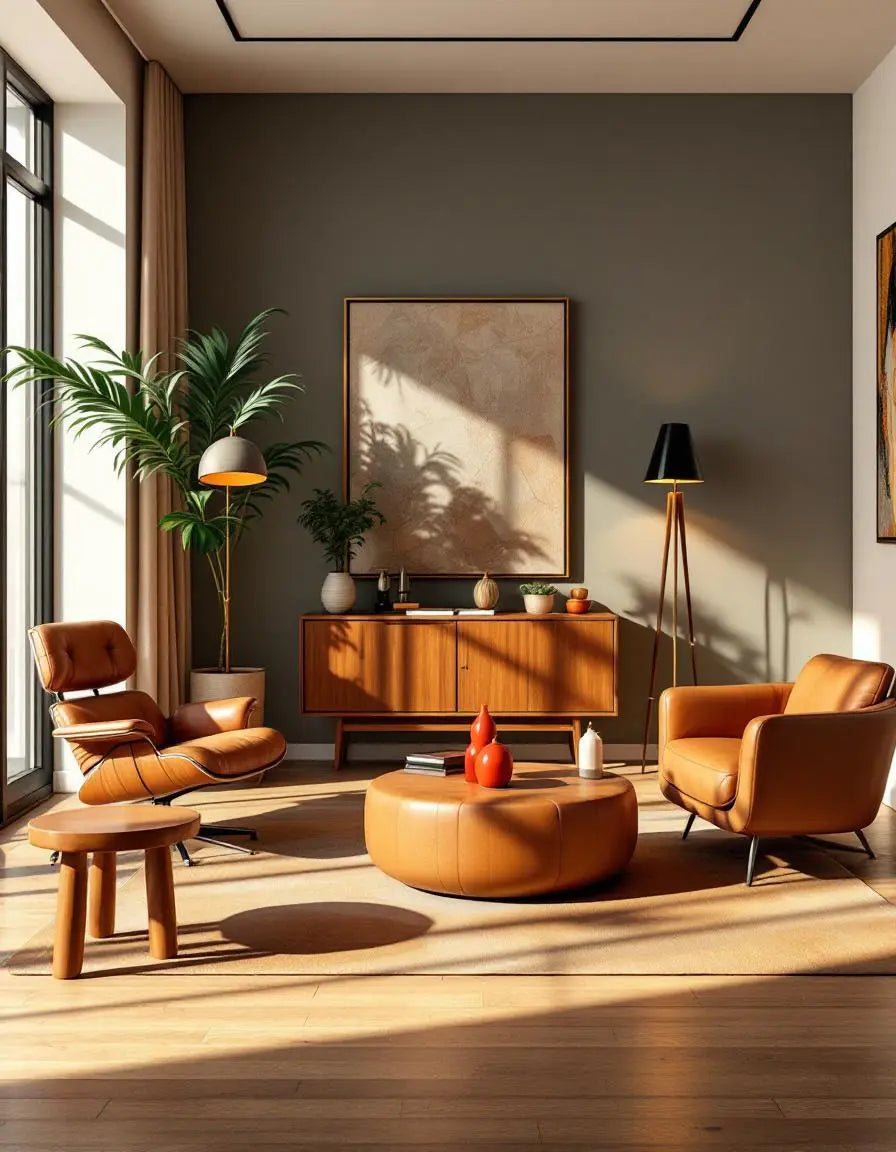










Lounge Chair Design Guide: Understanding Comfort, Style and Function
Choosing the right lounge chair is one of the most rewarding decisions you can make for your home. A well-designed lounge chair does more than fill a corner of a room. It defines the mood of a space, supports your body through hours of reading or relaxing, and reflects your personal sense of style. This lounge chair design guide walks you through everything you need to know, from comfort features and materials to iconic styles and how to place your chair for maximum impact.

What Makes a Lounge Chair Design Truly Timeless?
Not every chair earns the title of a design classic. The lounge chairs that stand the test of time share a few defining qualities. They balance visual elegance with genuine ergonomic support. They use materials that age gracefully. And they fit naturally into a wide range of interior settings without looking forced.
Mid century lounge chair design is perhaps the best example of this balance. Originating in the 1940s and 1950s, mid century modern furniture was built around the idea that good design should be accessible, functional, and beautiful all at once. Chairs from this era feature clean lines, organic curves, and a restrained use of materials that still looks fresh today.
Whether you are drawn to the warmth of a walnut wood lounge chair or the sleek sophistication of a leather lounge chair design, the principles behind great lounge chair design remain consistent: comfort first, beauty second, and longevity always.
Understanding Lounge Chair Comfort Features
Comfort in a lounge chair is not accidental. It is the result of deliberate design choices made at every stage of construction. When evaluating any chair, these are the lounge chair comfort features that matter most.
Seat Depth and Recline Angle
A good lounge chair allows your body to settle naturally without forcing you to perch on the edge or slide forward. The seat depth should support your thighs fully, and the recline angle should tilt your torso back slightly to reduce pressure on the lower spine. Most premium designs sit between 15 and 20 degrees of recline, which is enough to feel relaxed without making it difficult to stand up.
Lumbar and Head Support
The best lounge chairs cradle the natural curve of your lower back. A headrest that sits at the right height keeps your neck in a neutral position, which matters enormously during longer reading or relaxation sessions. Ergonomic lounge chair design pays close attention to these proportions, ensuring the chair works with your body rather than against it.
Cushion Quality and Density
Cushions should feel plush on first contact but retain their shape over time. High-density foam wrapped in a softer top layer gives you the best of both worlds. Cushions that are too soft will flatten within months. Cushions that are too firm will feel uncomfortable from the start. Premium leather lounge chairs typically use multi-layer cushioning that maintains its profile for years.
Swivel Base and Stability
A die-cast aluminium base with a smooth 360-degree swivel adds both function and elegance. It allows you to turn toward a lamp, a window, or a conversation without shifting your whole body. Shock mounts connecting the seat to the base absorb movement and reduce noise, which is a detail that separates quality construction from budget alternatives.
A Guide to Lounge Chair Materials
The materials used in a lounge chair determine how it looks, how it feels, and how long it lasts. This lounge chair materials guide covers the most common options and what to expect from each.
Leather Upholstery
Leather is the most popular choice for premium lounge chairs, and for good reason. Full-grain leather develops a rich patina over time, becoming more characterful with age. Top-grain leather offers a more uniform appearance and is slightly more resistant to surface marks. Both options are durable, easy to wipe clean, and feel luxurious against the skin.
A leather lounge chair with ottoman is a particularly popular combination because the ottoman allows you to extend your legs fully, turning the chair into a complete relaxation unit. The leather ties the two pieces together visually, creating a cohesive and polished look.
Walnut and Plywood Shells
The shell of a lounge chair, meaning the structural frame that holds the cushions, is often made from moulded plywood with a wood veneer finish. Walnut veneer is the most sought-after option because of its warm, rich grain and its ability to complement both dark and light interiors. Santos palisander and rosewood veneers offer a slightly darker, more dramatic alternative.
A walnut wood lounge chair brings natural warmth into a room that leather alone cannot provide. The contrast between the dark wood and the leather upholstery is one of the defining visual signatures of mid century modern lounge chair design.
Fabric and Boucle Options
For those who prefer a softer, more textured look, fabric and boucle upholstery are increasingly popular choices in modern lounge chair styles. These materials work particularly well in Scandinavian and contemporary interiors where the goal is warmth and approachability rather than sleek formality.
Modern Lounge Chair Styles: Finding Your Fit
Lounge chair interior design ideas are as varied as the homes they inhabit. Understanding the main style categories helps you narrow down your options and find a chair that genuinely suits your space.
Mid Century Modern
Characterised by organic shapes, tapered legs, and a restrained colour palette, mid century modern remains the most influential lounge chair style of the past century. The Eames style lounge chair is the most recognisable example, combining moulded plywood, leather cushions, and an aluminium base into a form that has barely changed since 1956. For a deeper look at this iconic design, our Eames Lounge Chair Replica buying guide covers everything from materials to sizing in detail.
Contemporary and Minimalist
Contemporary lounge chairs tend to favour cleaner silhouettes, lower profiles, and a more neutral material palette. These chairs work well in open-plan living spaces where the furniture needs to complement rather than compete with the architecture.
Traditional and Club Styles
Club chairs and traditional wingback designs offer a different kind of comfort, one rooted in deep seats, high backs, and generous armrests. These styles suit more formal living rooms and studies where a sense of gravitas is part of the brief.
Luxury Lounge Chair Design Ideas for Your Home
A luxury lounge chair for the living room works best when it is given space to breathe. Placing it in a corner with a floor lamp beside it and a small side table within reach creates a reading nook that feels intentional and inviting. Pair a leather lounge chair design with a wool rug and a low bookshelf to anchor the arrangement and give it a sense of permanence.
In a home office, a comfortable lounge chair for home use can serve as a secondary seating option that encourages short breaks and creative thinking. A lounge chair for a reading corner works particularly well when positioned near a window, where natural light reduces eye strain and the view provides a natural focal point.
For those building a more curated interior, timeless lounge chair styles in walnut and leather pair naturally with brass accents, linen curtains, and parquet flooring. The goal is to create a room that feels considered rather than assembled.
How to Choose a Lounge Chair Design for Your Home
Knowing what makes a lounge chair comfortable and stylish is one thing. Knowing how to choose a lounge chair design for your home is another. Here are the practical steps to guide your decision.
Measure Your Space First
A lounge chair that looks perfect in a showroom can overwhelm a small living room. Measure the floor area where the chair will sit, including the space needed to recline and to walk around it comfortably. Most lounge chairs require at least 60 centimetres of clearance on each side.
Match the Style to Your Existing Interior
Consider the dominant style of your room before choosing a chair. A mid century modern lounge chair will look at home in a space with clean lines and natural materials. A traditional club chair suits a room with heavier fabrics and darker tones. Mixing styles can work, but it requires confidence and a clear visual anchor.
Prioritise the Materials That Suit Your Lifestyle
If you have children or pets, a fabric chair may be easier to clean than leather. If you want a chair that improves with age and develops character over time, full-grain leather is the better long-term investment. The best lounge chair materials for durability and comfort depend on how the chair will actually be used day to day.
Consider the Ottoman
Many of the best lounge chair designs are sold with a matching ottoman. This is not just an aesthetic choice. An ottoman allows you to fully extend your legs, which reduces pressure on the lower back and improves circulation during longer sitting sessions. If comfort is your primary concern, always consider the chair and ottoman as a pair.
Eames Inspired Lounge Chair: A Design Worth Understanding
No lounge chair design guide would be complete without addressing the Eames inspired lounge chair. Designed by Charles and Ray Eames in 1956, the original was described as looking like a well-used baseball glove: soft, welcoming, and shaped by use. Its combination of moulded plywood shells, leather cushions, and a cast aluminium base set a standard that has never really been surpassed.
Today, an Eames inspired lounge chair brings that same design language into homes at a more accessible price point. The best versions use genuine leather upholstery, walnut veneer shells, and die-cast aluminium bases that closely replicate the proportions and feel of the original. The difference between a quality Eames style lounge chair and a budget version comes down to the materials and the precision of the construction.
If you are considering adding one to your home, browse our Eames Lounge Chair Replica Collection to see the full range of leather colours, wood finishes, and configurations available.
Frequently Asked Questions About Lounge Chair Design
1. What is the difference between traditional and modern lounge chair designs?
Traditional lounge chair designs tend to feature high backs, rolled arms, heavy upholstery, and ornate detailing. They prioritise a sense of formality and permanence. Modern lounge chair designs, by contrast, favour lower profiles, cleaner lines, and a more restrained use of materials. Mid century modern is the most influential modern style, combining organic shapes with functional simplicity. The choice between the two depends largely on the existing style of your interior and the atmosphere you want to create.
2. What makes a lounge chair comfortable and stylish at the same time?
The best lounge chairs achieve comfort and style through the same design decisions. A recline angle that supports the spine naturally also creates the relaxed, inviting silhouette that makes a chair look appealing. Cushions that are dense enough to hold their shape also give the chair a clean, structured appearance. Materials like full-grain leather and walnut veneer age beautifully, which means the chair looks better over time rather than worse. Comfort and style are not competing priorities in good lounge chair design. They reinforce each other.
3. What are the best lounge chair materials for durability and comfort?
For upholstery, full-grain or top-grain leather offers the best combination of durability, comfort, and long-term appearance. It is resistant to wear, easy to clean, and develops a natural patina that improves with age. For the shell or frame, moulded plywood with a walnut or palisander veneer provides structural strength alongside visual warmth. For the base, die-cast aluminium is the most durable option and adds a refined, contemporary finish. Together, these materials represent the standard used in the finest lounge chair designs.
4. How do I style a mid century lounge chair in a modern interior?
A mid century lounge chair works well in modern interiors because its clean lines and natural materials complement rather than compete with contemporary design. Place the chair in a corner with a slim floor lamp and a small round side table to create a defined reading area. Choose a rug in a neutral tone to anchor the arrangement. Keep the surrounding furniture simple and avoid heavy patterns that would distract from the chair. A walnut wood lounge chair pairs particularly well with white or grey walls, brass light fittings, and linen or wool textiles.
5. What features should I look for in a premium leather lounge chair?
A premium leather lounge chair should use full-grain or top-grain leather that feels supple and consistent across the entire surface. The cushions should be filled with high-density foam and retain their shape after extended use. The shell should be made from moulded plywood with a genuine wood veneer rather than a printed or laminated finish. The base should be die-cast aluminium with a smooth swivel mechanism and rubber shock mounts that absorb movement quietly. Finally, the stitching should be even and tight, with no loose threads or uneven seams. These details separate a quality chair from a budget alternative.
Final Thoughts
A well-chosen lounge chair is one of the most satisfying pieces of furniture you can add to your home. It rewards daily use, improves with age, and brings a sense of considered design to any room it occupies. Whether you are drawn to the clean geometry of mid century modern lounge chair design, the warmth of a walnut wood lounge chair, or the refined luxury of a leather lounge chair with ottoman, the principles in this guide will help you make a choice you will be happy with for years to come.
For those ready to take the next step, explore our full Eames Lounge Chair Replica Collection and find the design that fits your home perfectly.